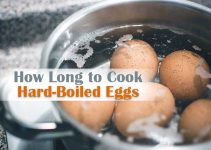
Eggs are a staple in many households, but not everyone knows the best way to store them after cooking. How long can cooked eggs stay in the fridge? In terms of food safety, this is an important question. Your cooked eggs will remain fresh, safe to consume, and flavorful if they are stored properly.
If you have ever wondered how long cooked eggs keep well in the refrigerator, the answer varies depending on the kind of egg dish, how it is stored, and the temperature of the refrigerator. Because of their moisture content and air exposure, cooked eggs deteriorate more quickly than raw ones.
Many people assume that all cooked eggs last the same amount of time, but professionals know better. Understanding how long will cooked eggs keep in the fridge can help prevent food waste and potential food poisoning. We will go over professional-level advice on how to store cooked eggs, identify when they are about to spoil, and maximize freshness in this tutorial.
How Long Can Cooked Eggs Stay in the Fridge?

- General Time Frame for Different Types of Cooked Eggs
- Hard-boiled eggs: 7 days
- Scrambled eggs: 3–4 days
- Fried eggs: 2 days
- Poached eggs: 1–2 days
- Factors That Influence Shelf Life
- Storage method (airtight container vs. open plate)
- Fridge temperature consistency
- Moisture levels and exposure to air
- Why Cooked Eggs Spoil Faster Than Raw Eggs
- Increased moisture causes bacterial growth
- Exposure to air leads to oxidation
- Cooking breaks protective barriers found in raw eggs
Always examine cooked eggs for symptoms of spoiling before eating if you are not sure how long they will remain in the refrigerator. Bacterial growth is slowed but not completely stopped by refrigeration. If you follow the right storage instructions, your cooked eggs will stay safe to eat for as long as possible.
Types of Cooked Eggs and How Long They Last
The length of time that various cooked egg varieties keep in the refrigerator varies. You can prevent food waste and plan meals more effectively if you are aware of these variances.
Hard-Boiled Eggs
One of the simplest kinds of eggs to preserve is hard-boiled. However, how long are cooked boiled eggs good for in the refrigerator? They can last up to seven days if not peeled. Peeled cooked eggs, on the other hand, should be consumed within 4–5 days because they spoil more quickly.
- To stop odors from leaking in, store in an airtight container.
- Wait until you are ready to eat before peeling.
- To avoid moisture buildup, keep them dry.
Scrambled Eggs
How long do cooked scrambled eggs keep in the refrigerator, you might wonder if you have made extra? Three to four days, is the response. Because scrambled eggs retain moisture, bacteria can develop more easily.
- To maintain freshness, store in an airtight container.
- To preserve texture, do not reheat repeatedly.
- To restore softness when warming, think about adding a small amount of milk.
Fried, Poached & Baked Eggs
These eggs have the shortest lifespan in the fridge. How long will cooked eggs keep in the fridge if they’re fried or poached? Typically, 1–2 days is the max before they lose texture and flavor.
- Fried eggs dry out quickly—store them with a damp paper towel to help.
- Poached eggs should be eaten within 24 hours.
- Baked egg dishes like frittatas last about 3–4 days.
When asking how long does a cooked egg last in the fridge, always consider the type of egg dish. Proper storage methods can help extend their freshness!
The Best Ways to Store Cooked Eggs
Proper storage of cooked eggs guarantees their freshness and safety for consumption. Professionals advise doing the following:
1. Use containers that are airtight.
Odors from other items in the refrigerator are absorbed by eggs. To keep cooked eggs fresher longer and avoid contamination, store them in an airtight container.
2. Maintain the Right Fridge Temperature
Set your refrigerator to 40°F (4°C) or below. Any higher, and bacteria can grow rapidly, reducing the eggs’ lifetime.
3. Keep in the refrigerator’s coldest section.
Do not store cooked eggs in the refrigerator door. Faster spoiling may result from opening and closing, which causes continuous temperature changes.
4. Keep Cooked Eggs Dry
Moisture promotes bacterial growth. Use a paper towel to absorb excess moisture in the container.
5. Avoid combining raw and cooked eggs.
Cooked eggs should never be kept next to raw eggs. Bacteria from raw eggs can contaminate cooked ones. Cooked eggs will remain safe, fresh, and delicious for as long as possible if these best storage procedures are followed!
How to Tell If Cooked Eggs Have Gone Bad
Not sure if your eggs are still safe to eat? Understanding the symptoms of spoiling is crucial since food poisoning is serious. To determine whether your cooked eggs have gone rotten, follow these steps:
1. Unpleasant Smell
The smell will be the first thing you notice. The smell of cooked eggs should be subtle and unremarkable. Throw them out right away if they have a sour, sulfuric, or just “odd” scent.
2. Slimy or Watery Texture
Bacteria has probably begun to proliferate if the eggs feel slimy or very damp. What is the shelf life of cooked eggs in the refrigerator? If they have been exposed to excessive dampness, they will not last long!
3. Discoloration
Are the yolks appearing greenish or are the egg whites becoming gray? They have obviously outlived their usefulness.
4. Growth of Mold
Do not taste them; instead, throw them away if you notice any fuzzy areas or odd textures. Eating tainted eggs can result in serious foodborne infections, and mold spreads quickly.
5. Odd Flavor
A strange taste indicates that the eggs are no longer safe, even if they appear fine. Do not risk it—spit it out if something appears strange after you have taken a bite!
Pro Tip: When in Doubt, Throw It Out!
It’s better to be safe than sorry. If you’re questioning how long are cooked eggs good for in the fridge, always check for these signs. When eggs go bad, there’s no saving them—just get rid of them.
Best Practices for Storing Cooked Eggs in the Fridge
Proper storage of cooked eggs can help preserve their freshness and reduce food waste. Whether you have scrambled, hard-boiled, or prepared an omelet, maintaining their safety and flavor requires proper preservation procedures. The finest containers, handling advice, and storage times for boiled eggs are all covered in this comprehensive guide.
Appropriate Storage Containers
Using the proper containers is essential to safely keeping cooked eggs. What you should know is as follows:
- Airtight Containers: Use airtight containers to stop moisture loss and odor absorption. Additionally, these containers keep cooked eggs from absorbing the fragrance of other foods in the refrigerator.
- Glass Over Plastic: When it comes to containers, glass is preferable than plastic. They seal better, which lowers the possibility of moisture loss and prolongs the freshness of your eggs. Furthermore, unlike other polymers, glass does not release toxins into food.
- Separate Storage: To lower the chance of cross-contamination, eggs should always be kept in a different container. This is particularly crucial when storing eggs alongside other meals, such as raw meats.
Handling Cooked Eggs Before Storing
It is important to manage fried eggs correctly to avoid bacterial growth before putting them in the refrigerator:
- Cool Before Storing: Before placing your cooked eggs in the refrigerator, allow them to cool for ten to fifteen minutes. They are able to reach a safe temperature as a result.
- Avoid Room Temperature Storage: Don’t leave cooked eggs at room temperature for more than 2 hours. Bacteria multiply quickly when food is left out for extended periods, increasing the risk of foodborne illness.
How Long Do Cooked Eggs Last in the Fridge?
The type of egg determines how long cooked eggs last on the shelf. This is a summary:
Hard-Boiled Eggs
- In Shell: When kept in their shells, hard-boiled eggs can keep for up to seven days. By acting as a barrier, the shell keeps moisture and pollutants out.
- Peeled: Hard-boiled eggs should be consumed within five days of being peeled. Store them in a closed container with a moist paper towel to keep them from drying out.
Scrambled Eggs
- In the refrigerator, scrambled eggs typically keep for three to four days. To keep them wet, store them in an airtight container. They may have a somewhat shorter shelf life if dairy products like milk or cheese are added, so try to eat them as soon as possible.
Can You Freeze Cooked Eggs?
- Hard-Boiled Eggs: When thawed, hard-boiled egg whites can turn rubbery and watery, therefore freezing them is not advised. The yolks, however, can be frozen.
- Scrambled Eggs & Omelets: These freeze very well for up to 3 months. Store them in freezer-safe containers and reheat them gently to avoid overcooking or altering the texture.
Conclusion: Maximize the Freshness of Cooked Eggs
By following the best storage practices for cooked eggs, you can maximize their freshness and avoid unnecessary food waste. Your eggs will remain safe and tasty if you use airtight containers, handle them carefully before putting them in the refrigerator, and know how long they last. Additionally, when used properly, freezing eggs can aid in long-term storage and meal preparation.
Fast Advice and Storage Tricks
- Label Containers: To make it simple to keep track of how long your cooked eggs have been kept in storage, write the date on your storage containers.
- Back of the Fridge: Store eggs in the back of the fridge, where the temperature is most consistent, instead of on the door.
- Steer Clear of Fridge Door Storage: Since the refrigerator door is the warmest area, steer clear of keeping eggs there.
- Freeze Scrambled Eggs: For quick, on-the-go breakfasts, freeze scrambled eggs if you are cooking ahead of time.
- Damp Paper Towel for Hard-Boiled Eggs: Place a wet paper towel inside the container to keep peeled hard-boiled eggs from drying out.
By following these simple tips, you can enjoy fresh, tasty eggs throughout the week while minimizing waste. Would you like to try any other cooking tricks? Tell me!
Warning: Undefined array key "mts_social_button_layout" in /home/sites/42a/f/f854f6db09/public_html/wp-content/themes/mts_schema/functions/theme-actions.php on line 461